

Sell First or Buy First? How Airdrie Families Sequence a Move Without the Scramble
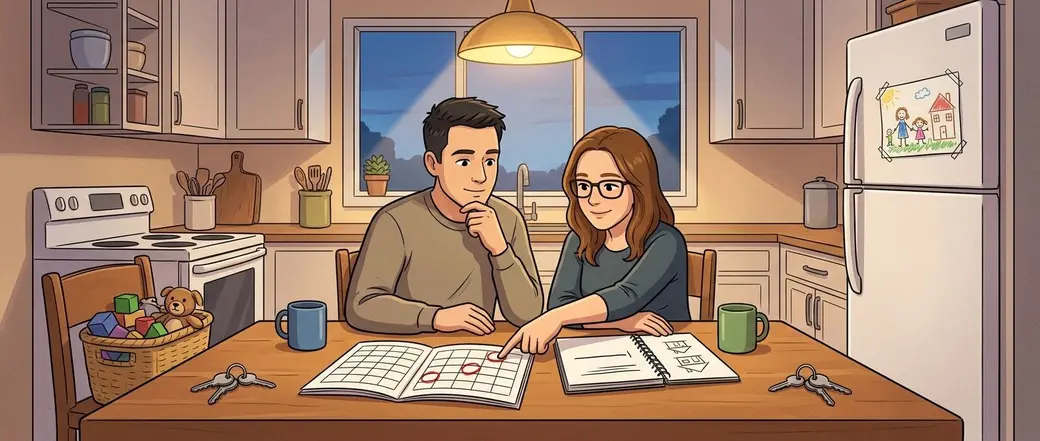
"Which do we do first?" If you have outgrown your first Airdrie home, you have asked this one out loud. Usually at the kitchen table, usually after the kids are in bed. Do you sell the house you are in, then go find the next one? Or find the next one first and sell behind it?
Here is the honest answer: both orders work. I have done it both ways with families many times. The mistake I see is falling into an order by accident, then discovering the risks halfway through. So let's lay out both paths, the tools that make each one safe, and how I would decide for your situation.
Why this question is bigger this year
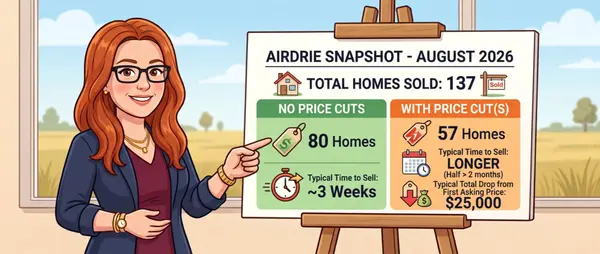
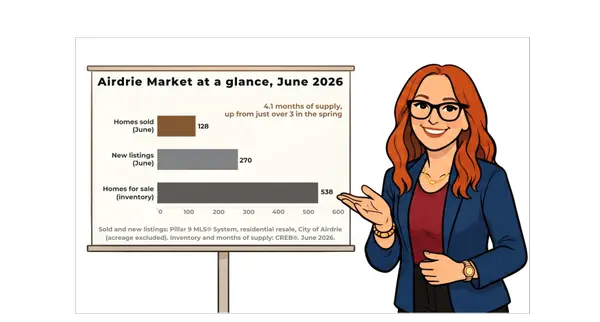
Two things are true in Airdrie right now, and they pull in opposite directions. The average August sale took 46 days, and half of homes sold inside five weeks. So a well-priced home still moves, but plan on weeks, not days. At the same time, there were 517 homes for sale at the end of August, so there is real choice out there.
That combination is exactly what makes "buy first" tempting: you can see the house you want, right now. It is also what makes "sell first" the calmer path for most families: your sale is the less predictable half of the move, so it makes sense to settle it before you commit to the other half. Neither instinct is wrong. It depends on what you are buying, what you are selling, and what you can carry in between.
The two paths side by side
Path one: sell first, then buy
What it buys you: a known number. You know exactly what you have to spend, you never carry two mortgages, and when you make an offer on the next home it is a clean one, which sellers take more seriously.
What to watch: you might sell before you have found the next place, and nobody wants to move twice.
The tools that make it safe: a long possession date on your sale (asking for 60 to 90 days is reasonable), a rent-back from your buyer so you stay put for a few weeks after closing, and a plan B for a short-term rental that you hope never to use.
Path two: buy first, then sell
What it buys you: you never scramble for a place to live, you move once, and you can take your time with the house you are leaving.
What to watch: if your current home takes longer to sell than you planned, you are carrying two mortgages and feeling pressure to take a lower price to make it stop.
The tools that make it safe: a subject-to-sale condition on your offer, bridge financing to cover the gap between the two closings, and possession dates lined up so the gap is a few days.
The four levers, in plain English
Possession dates. The single most useful lever, and the one people forget they control. A possession date is negotiable on both your sale and your purchase. Lining them up, or leaving a deliberate overlap of a few days for the actual move, solves most of the problem on its own.
Subject-to-sale. You make an offer on the new home with a condition that your current home sells first, usually within a set number of days. With the usual escape clause, the seller can keep showing their home, and if another buyer comes along, you get a short window to remove your condition or walk away. In a market with this much choice, some sellers will consider it, especially on a home that has been sitting a while.
Bridge financing. A short-term loan from your lender that covers the gap between paying for the new home and receiving the money from the old one. Two things to know: most lenders want your current home sold firm (conditions removed) before they will bridge, and the terms depend on the lender and the deal. This is why the mortgage broker conversation is part of the plan from day one. I coordinate the timing; your lender sets the terms.
Rent-back. Your buyer takes ownership on the closing date, and you rent your old home back from them for a short stretch while you wait for your new possession. It is a short written agreement your lawyer papers, and it turns a stressful gap into a paid-for buffer.
How I would decide for you
Three questions. Your answers usually point at one path without much debate.
1. How replaceable is the home you want? If you are looking for a solid two-storey in a good neighbourhood, there are plenty of those on the market and another will come along. Sell first. If you need something specific, a legal suite for a parent, a particular school catchment, a lot that backs onto green space, then the right one might not be there when your sale closes. That is when buying first earns its risk.
2. How does your current home show, and how is it priced? A home that is prepared properly and priced to this August, not to what the neighbours got two springs ago, sells in a predictable window. That predictability is what makes "sell first" low-stress and "buy first" survivable. A home that needs work or a hopeful price makes both paths harder, so we fix that before we pick either one.
3. What can you carry in between? Be honest about this one. If two mortgages for two months would keep you up at night, sell first and use the possession-date and rent-back levers to protect yourself. If you have the room, buying first is a real option, and bridge financing, if your lender offers it, can make the gap manageable.
A note on timing the market. People sometimes ask whether they should buy first "before prices go up" or sell first "before prices go down." Skip that game. You are selling and buying in the same market, so a shift in prices mostly affects both sides of your move. Pick the order that fits your home, your next home, and your finances. That is the decision you can actually control.
The bottom line
Sell first gives you certainty. Buy first gives you your pick. Possession dates, subject-to-sale, bridge financing and a rent-back are the tools that keep either path safe, and which ones you need depends on those three questions above. The sequence is a plan you make on purpose, before anything goes live. That is the whole strategy, and it is a lot less scary once it is written down.

Not sure which path is yours? One conversation usually settles it.
We will look at what you own, what you are looking for, and the timing that fits your life, then map the order of moves before anything goes live. And before you know it, maybe you can start packing.
Categories
Recent Posts



Contact us for more information

Founder & Real Estate Strategist